2026 Education Trends Snapshot

Leaders across K–12, higher education, and workforce learning focus on what improves teaching, strengthens persistence, and delivers meaningful outcomes for learners and workers

Education Intelligence Unit

calendar image
January 14, 2026

Education systems spent 2025 experimenting with AI while getting clearer about what really matters for learners. Leaders across K–12, higher education, and workforce learning focused on what improves teaching, strengthens persistence, and delivers meaningful outcomes for learners and workers. Below are five trends shaping the year ahead.
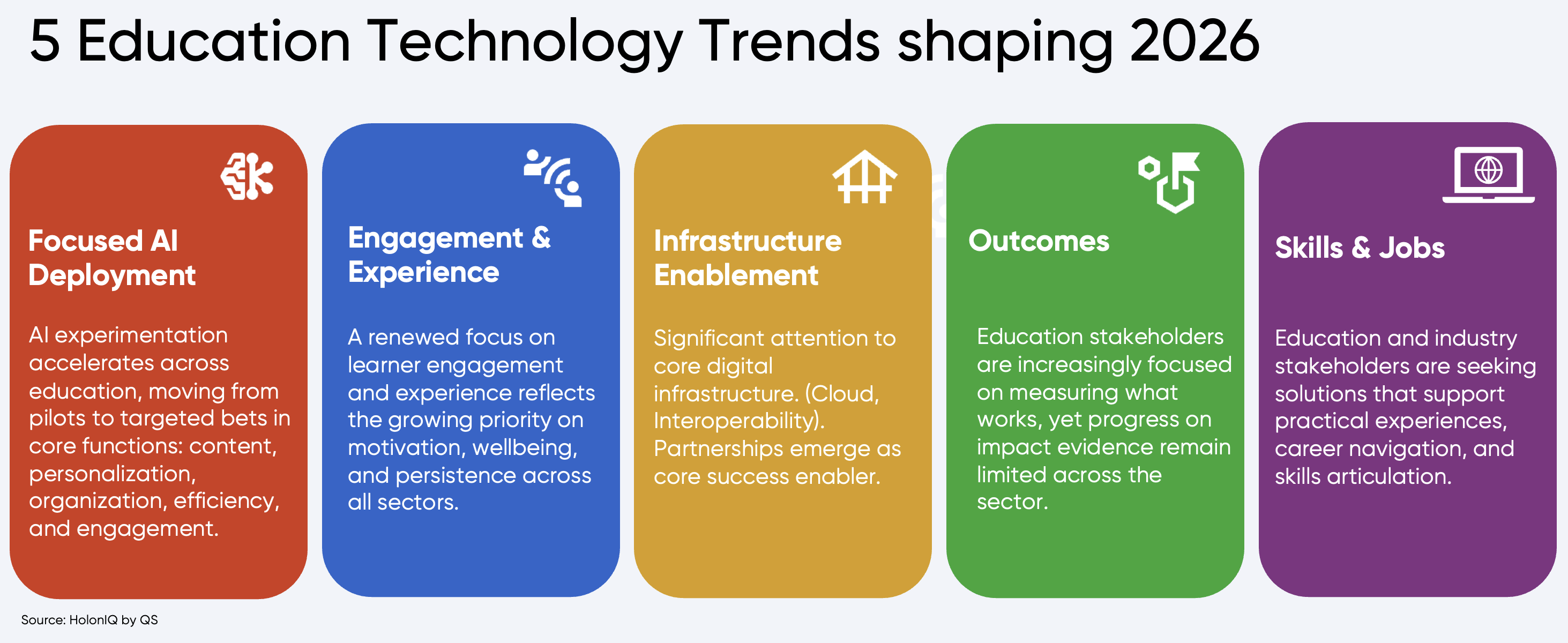
Responsible, workflow-first AI deployment.

Education institutions continued experimenting with targeted AI use cases in 2025, with iteration increasingly centered on measurable value. The clearest gains came from practical applications: course design support, teacher productivity, streamlined instructional and administrative workflows, and structured student-support tasks that improved engagement or targeted instructional help. National pilots in South Korea and India, alongside university governance labs and partnerships such as Pearson–Microsoft, reflect a shift toward AI that is governed, verifiable, and embedded in existing workflows. In 2026, expect greater focus on ethics, transparency, agentic use cases, and proven instructional benefit over broad personalization promises.

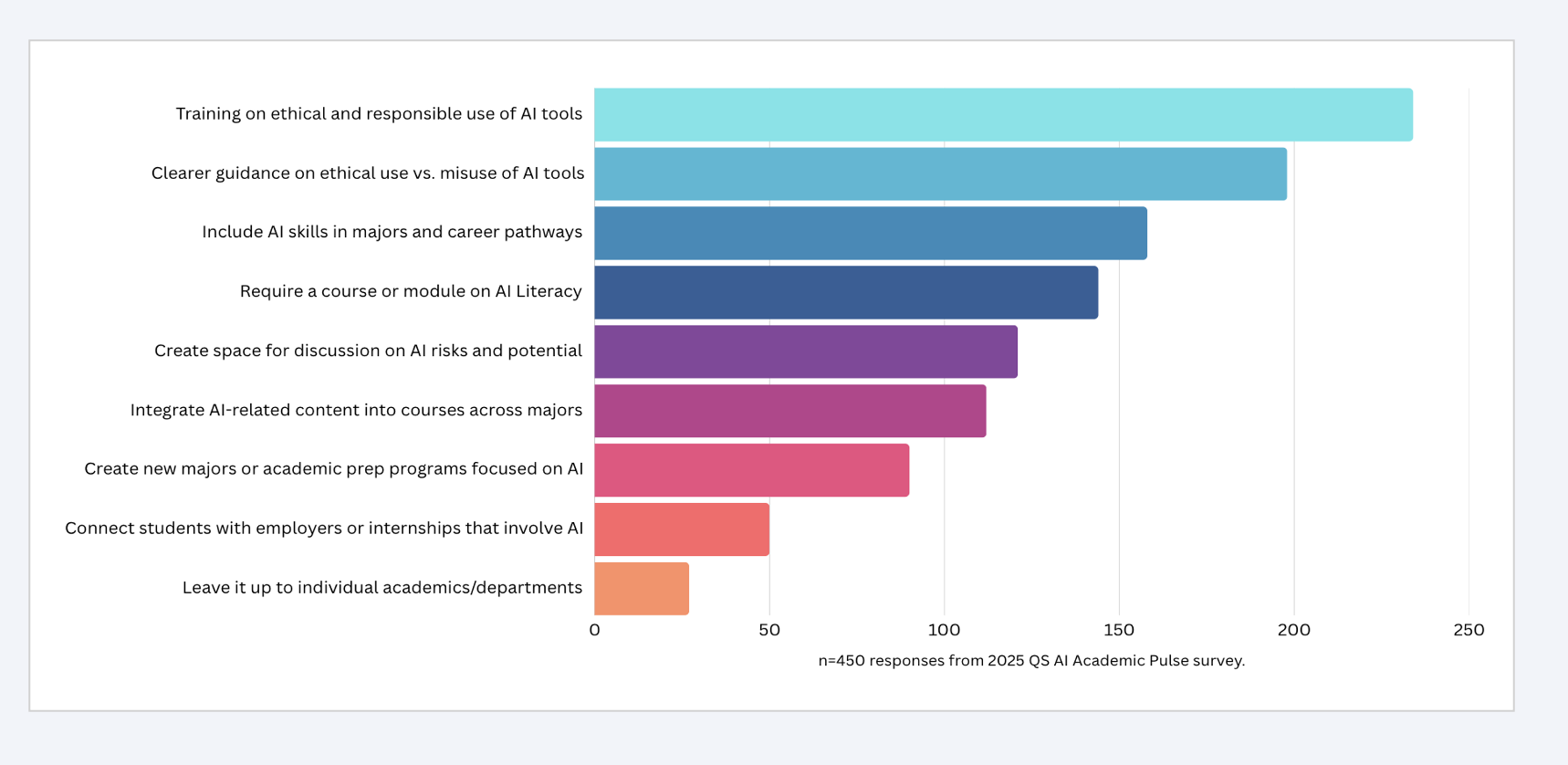
Figure 1. How Universities Can Better Prepare Students For the Advancement of Generative AI
Engagement and well-being re-emerged as core indicators of value.

Learner engagement re-emerged as a central indicator of value, increasingly considered alongside well-being, participation, and other “human” factors that shape persistence. As AI takes on more classroom and workflow tasks, systems doubled down on what technology seemingly cannot replicate: motivation, connection, and purpose.

Countries piloted AI companions with strict boundaries (UK, Greece), Europe implemented phone bans to reduce distraction, and both the U.S. and Indonesia expanded career-connected learning to reinforce relevance. In workforce learning, immersive and in-flow training models supported motivation and agency. As AI becomes commonplace, human-driven indicators such as engagement, well-being, and sustained participation are becoming more important, not less.

Figure 2. Percentage of Teachers using AI tools in education, 2024

Digital infrastructure quietly strengthens systems.

2025 brought steady, less visible progress in digital infrastructure. Institutions focused on strengthening shared data layers, identity management, interoperability, and governance frameworks. Cloud partnerships with AWS, Google, and OpenAI supported more consistent and scalable environments, while regions such as Europe and Brazil advanced more coordinated national efforts.

These shifts are making digital ecosystems more coherent and dependable, with integrated platforms increasingly viewed as table stakes for modern education environments. Partnerships remain central, and momentum is expected to continue into 2026 as institutions raise expectations for coordination across learning, assessment, credentialing, and analytics.

The rise of the skills economy.

Measurable and discrete skills continued gaining prominence across education systems, cutting across sectors and regions. Governments expanded early-career pathways, universities deepened industry-aligned microcredentials, and employers accelerated in-flow-of-work learning. Real-time skills visibility, adaptive training, and competency frameworks gained traction, while career navigation tools spread across K–12, post-secondary, and workforce contexts.

This shift is global but uneven: South Asia scaled technical apprenticeships, Europe sharpened workforce alignment, North America expanded applied learning, and emerging markets invested in modular, job-relevant training. The skills movement is shaping policy, procurement, and institutional priorities.

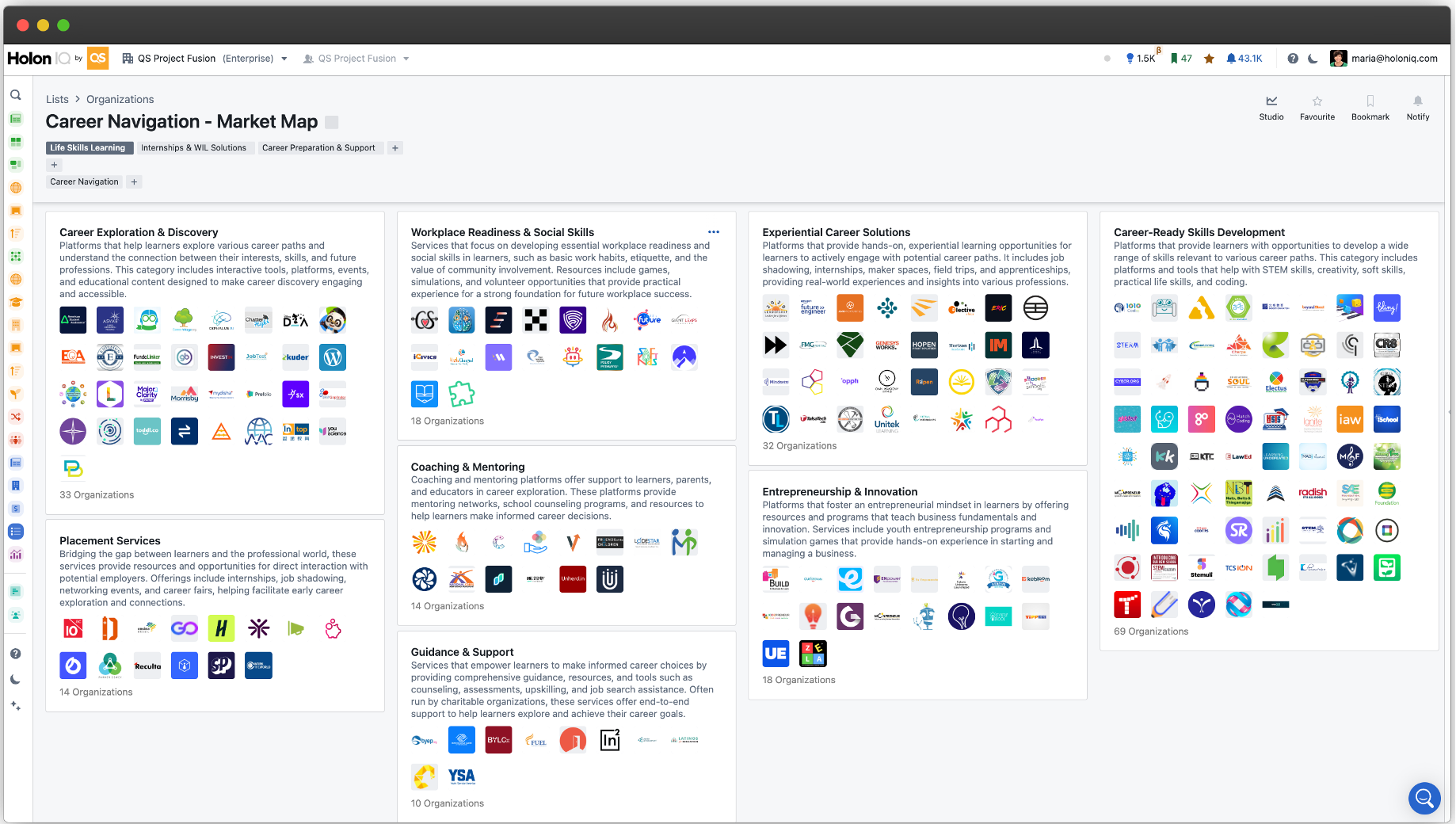
Figure 3. Market Map: Skills Intelligence Market Map
No items found.

Evidencing outcomes is becoming more important and more complex.

Outcomes remain the shared expectation, but what counts as an outcome, and how it is measured, varies widely. In Latin America, outcomes emphasize foundational literacy; in Europe, digital readiness and workforce readiness; in East Asia, demographic sustainability; in North America, employability and enrollment dynamics; and in South Asia and Sub-Saharan Africa, workforce preparation at scale.

At the same time, expectations of EdTech itself are rising. Systems increasingly expect evidence that products improve learning quality, persistence, well-being, or job-relevant skills, grounded in rigorous research. Measuring impact consistently across diverse contexts is emerging as one of the most difficult challenges heading into 2026.

Looking ahead.

In 2026, expect selective AI acceleration. Education systems are becoming more deliberate about where they invest time, attention, and technology, prioritizing approaches that demonstrate instructional value and align with workforce and societal needs. The shift from experimentation to execution is underway.

Expectations will continue to rise for both institutions and the technologies that support them. AI will deepen its role in workflows under tighter governance, skills frameworks will shape pathway design, and engagement, well-being, and outcomes will remain central, even as systems continue to debate how best to define and measure them.

Ready to get started?

Get a personalized walkthrough of HolonIQ's Global Intelligence Platform.

No items found.

Latest Insights

Global Insights from HolonIQ’s Intelligence Unit. Powered by our Global Impact Intelligence Platform.

Back to School VIP
Back to School VIP
2025 Back to School
2025 Back to School
Global Skills Week
Global Skills Week
Newsletter
Newsletter
2024 Back to School
2024 Back to School
North America EdTech 200
2024 Paris HE Summit
2024 San Juan Speaker
Indices
Indices
Cities
Cities
2023 Back to School Featured Speaker
New York
New York
2023
2023
Webinar
Webinar
Economics
Economics
Draft
Draft
Platform
Platform
2022
2022
Digital Transformation
MedTech
MedTech
Global Impact Summits
Impact 3000
Impact 3000
Nuclear
Nuclear
Mobility
Mobility
Electric Vehicles
Electric Vehicles
2021
2021
2020
2020
Sub Saharan Africa
Sub Saharan Africa
Nordic Baltic
Nordic Baltic
North America
North America
South Asia
South Asia
East Asia
East Asia
ANZ
ANZ
Market Sizing
Market Sizing
Augmented Reality
Augmented Reality
Blockchain
Blockchain
Virtual Reality
Virtual Reality
Regions
Regions
Markets
Markets
Mobile
Mobile
Client Report
Client Report
Publishers
Publishers
Labor Markets
Labor Markets
Global Landscape
Global Landscape
10 Charts Series
10 Charts Series
R&D
R&D
LMS
LMS
United Kingdom
United Kingdom
Executive Panel
Executive Panel
Language Learning
Language Learning
Russia
Russia
Israel
Israel
Germany
Germany
France
France
Media and Press
Media and Press
Climate Tech
Climate Tech
MENA
MENA
South Korea
South Korea
Japan
Japan
Southeast Asia
Southeast Asia
Health Tech
Health Tech
Global EdTech 1000
Global EdTech 1000
Unicorns
Unicorns
MOOCs
MOOCs
Global Giants
Global Giants
Client Note
Client Note
Capital Markets
Capital Markets
Advanced Technology
Advanced Technology
OPM
OPM
International Education
India
India
China
China
Canada
Canada
Venture Capital
Venture Capital
Bootcamps
Bootcamps
Online learning
Online learning
Notes
Notes
Europe
Europe
Asia
Asia
Africa
Africa
LATAM
LATAM
Brazil
Brazil
Robotics
Robotics
Education in 2030
Education in 2030
Artificial Intelligence
SDG 17
SDG 17
SDG 16
SDG 16
SDG 15
SDG 15
SDG 14
SDG 14
SDG 13
SDG 13
SDG 12
SDG 12
SDG 11
SDG 11
SDG 10
SDG 10
SDG 9
SDG 9
SDG 8
SDG 8
SDG 7
SDG 7
SDG 6
SDG 6
SDG 5
SDG 5
SDG 4
SDG 4
SDG 3
SDG 3

Sign Up for our Newsletters

We provide you with relevant and up-to-date insights on the global impact economy. Choose out of our newsletters and you will find trending topics in your inbox.

Weekly Newsletter

Climate Technology

Weekly Newsletter

Education Technology

Weekly Newsletter

Health Technology

Weekly Newsletter

Higher Education

Daily Newsletter

Chart of the Day

Daily Newsletter

Impact Capital Markets