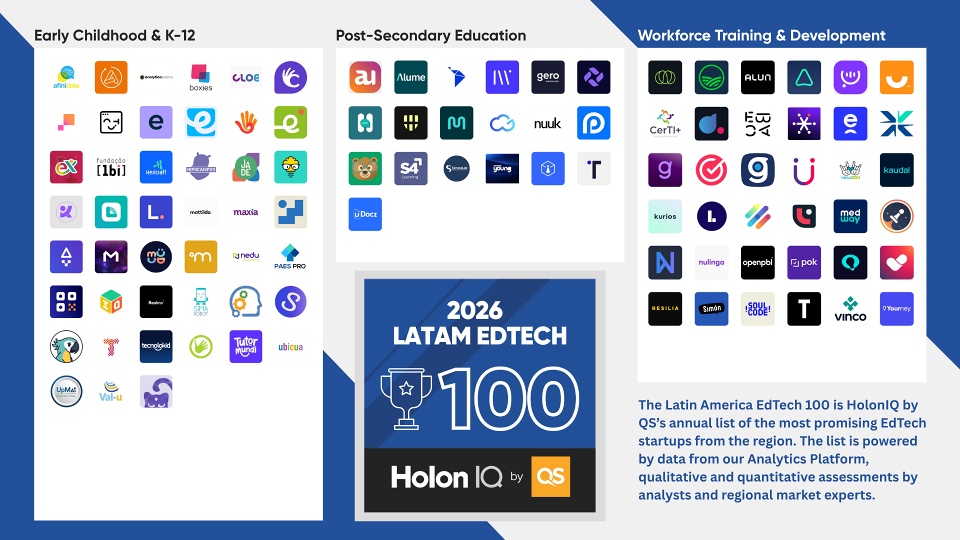
The Latin American EdTech 100 is HolonIQ's annual list of the most promising EdTech startups from the region.
The Latin America EdTech 100 is focused on identifying young, fast growing and innovative learning, teaching and up-skilling startups from the region. Powered by data and insights from our QS Analytics Platform together with qualitative assessments by the QS Education Intelligence Unit, and local market experts, organizations are evaluated and scored based on our eligibility and assessment criteria, which excludes EdTechs founded over 10 years ago, or those which have exited (listed, acquired or controlled by another organisation).
The LATAM EdTech 100 is aligned to the Global Learning Landscape, an Open-Source Taxonomy that maps the education and talent market.
Download the Market Map. Companies are categorized by their main area of focus following the globallearninglandscape.org. Categories in the market map are not mutually exclusive.
Deep Dive the List
Customers can deep dive the open-source list on the platform. Request a demo to learn more.
The LATAM EdTech 100 is aligned to the Global Learning Landscape, an Open-Source Taxonomy that maps the education and talent market
Latin America’s EdTech market is building its foundations.
The 2026 Latin America EdTech 100 shows a region that has spent six years building learning products and is now building the financial and operational systems underneath them. Workforce and K-12 still anchor the cohort. Tuition management, school operations and teacher support are gaining ground reflecting regional demand and budgets. This analysis reflects a market rewarding companies that make schools and universities work smarter, at a moment when capital is selective and staying power counts.
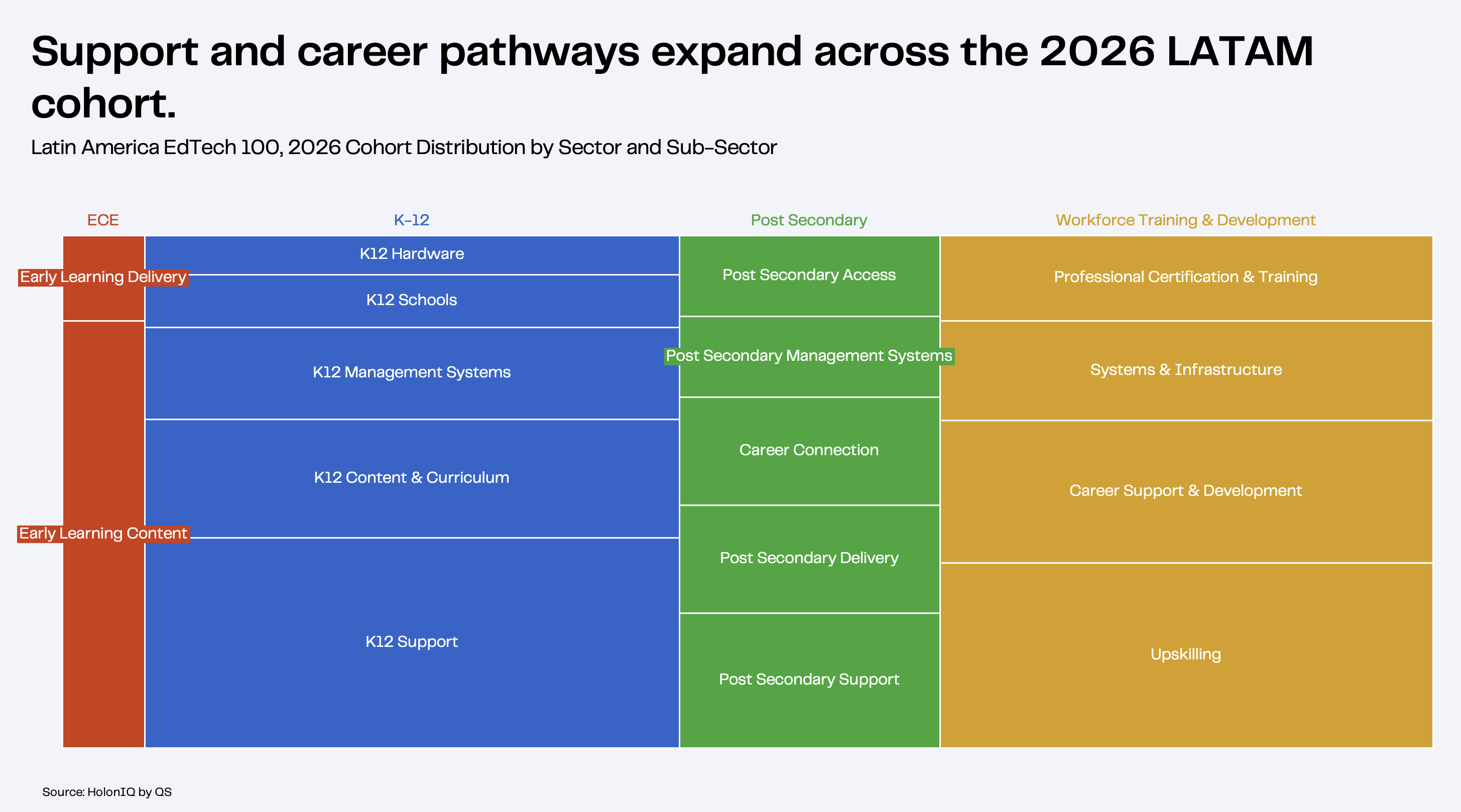
Exhibit 2. Latin America EdTech 100, 2026 Cohort Distribution by Sector and Sub-Sector
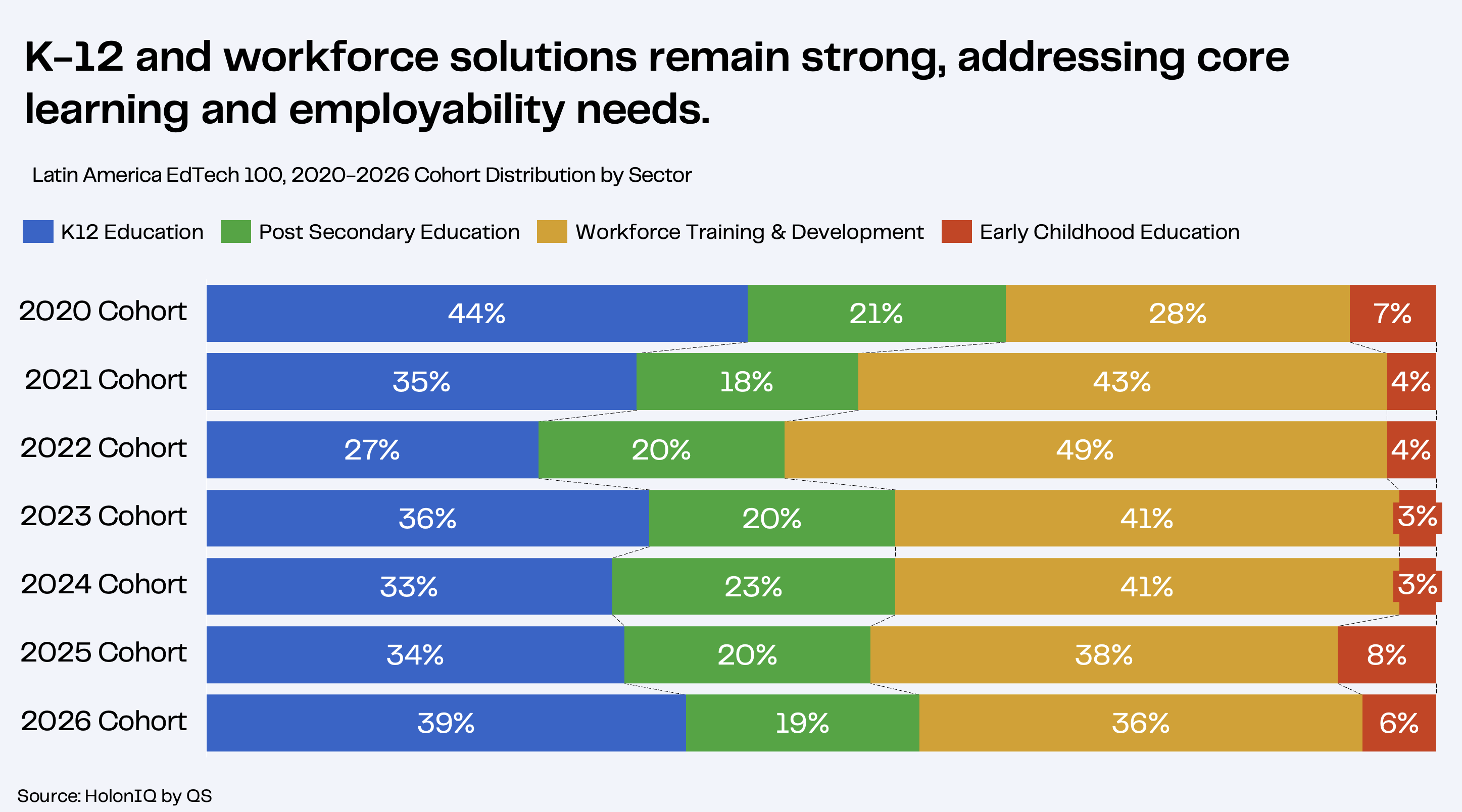
Workforce and K-12 hold the centre of the cohort.
K-12 holds 38% of the cohort and workforce training 37%, together accounting for three quarters of the list. Workforce remains the only sector that’s grown significantly larger than it was in 2020, when it held 28% share. It peaked at nearly 50% in 2022 and is sustained by employers who build capability directly rather than waiting for the education system to supply it. Peru’s Kaudal and Kurios both sell corporate-sponsored training and anchor an Andean ecosystem built on employer demand. Brazil’s Galena operates in the same space. Post-secondary holds steady, and early childhood remains small but persistent.
Exhibit 3. Latin America EdTech 100, 2020-2026 Cohort Distribution by Sub-Sector
Ready to get started?
Get a personalized walkthrough of HolonIQ's Global Intelligence Platform.
Support and career pathways gain ground; upskilling gives some back.
K-12 Support is the largest subsector in this year’s cohort, having added five places since 2025. Career Support and Development continues a steady climb that now runs across six cohorts. Upskilling has stepped back after several years as the region’s defining category, which reads as a market moving past general course delivery toward training tied to a job outcome. Mexico’s Ginia connects employers, institutions and students through AI-driven employability, and Brazil’s Vetto raised new capital in this window on a similar thesis.
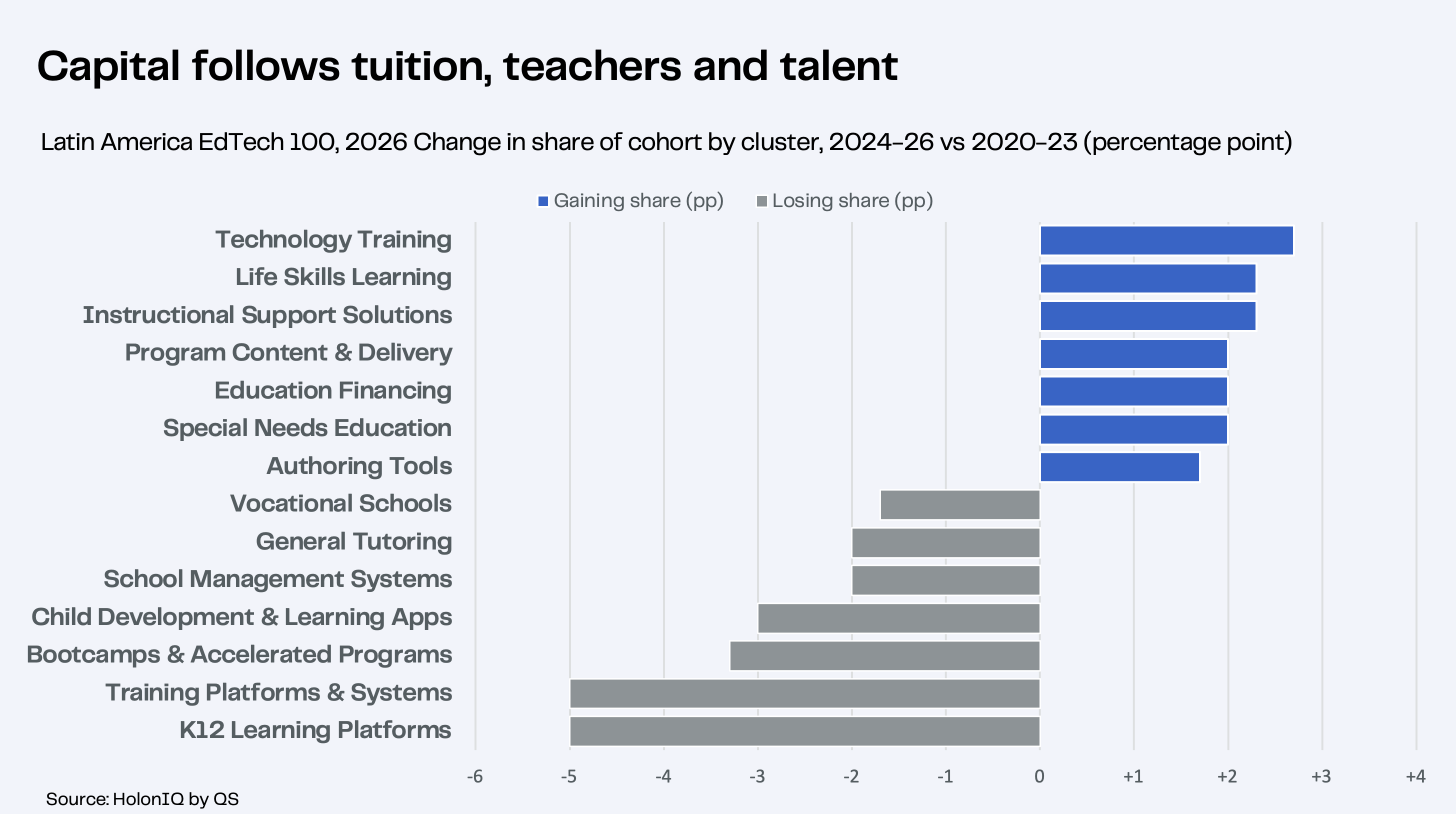
Exhibit 4. Latin America EdTech 100, 2026 Change in share of cohort by cluster, 2024-26 vs 2020-23 (percentage point)
Capital follows tuition, teachers and talent.
Education financing is now one of the region’s largest categories, while learning platforms have given up more ground than anything else in the dataset. Mexico’s Mattilda handles billing and collections for private schools and secured $50M alongside an acquisition. Brazil’s Educbank focuses on tuition revenue, while Principia Educação manages cash flow for private universities and raised an early stage round in 2025. Together with Cometa and Alume, these companies underwrite the operating foundations of the private education system, which makes them more embedded within education infrastructure.
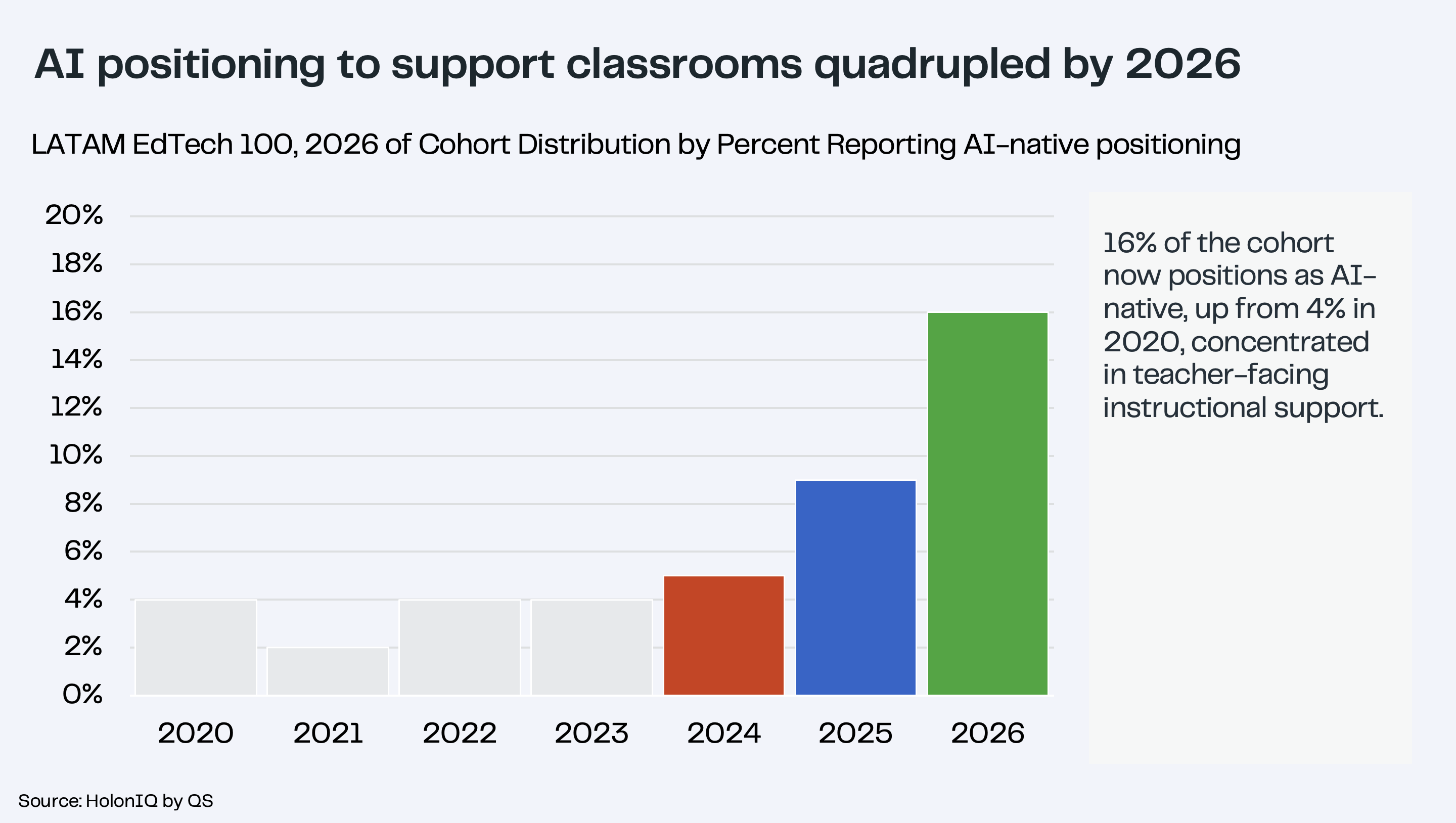
Exhibit 5. LATAM EdTech 100, 2026 of Cohort Distribution by Percent Reporting AI-native positioning
AI positioning arrives at the teacher’s desk.
AI-native positioning in product descriptions has quadrupled since 2020 and stepped up sharply across the last two cohorts. The concentration of organizations in this category falls in instructional support rather than consumer tutoring, which is likely a response to a region where class sizes are growing and preparation time is scarce. Brazil’s Teachy, a regional incumbent, builds AI lesson preparation and has expanded beyond the region into Asia. Ecuador’s Muyu Education applies AI to teacher professional development and was named a GESA finalist. Accessibility is a growing AI promise, with Uruguay’s Eldes and Argentina’s Cboard both operating in that space.
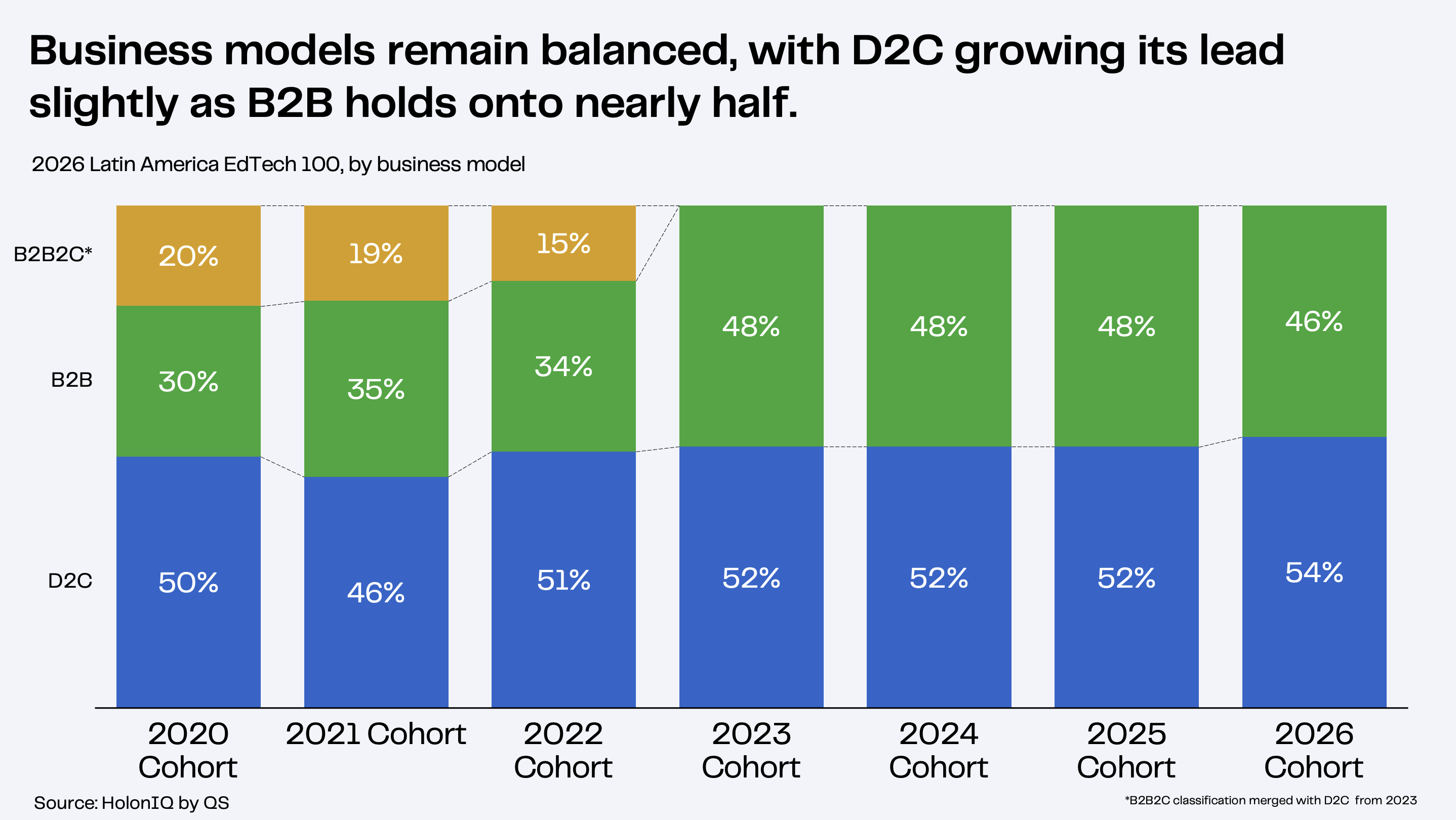
Exhibit 6. Cohort Distribution by Business Model, 2020-2026
D2C holds a narrow lead in 2026.
D2C models make up 54% of the cohort against 46% for institutional models. It’s worth noting that the institutional organizations focused on educational financing such as Mattilda and Educbank that sell billing and tuition guarantees directly to schools and businesses to battle for the same budget as teacher-support tools. Principia Educação shows how thin the line can become, serving universities while carrying the student payment relationship.
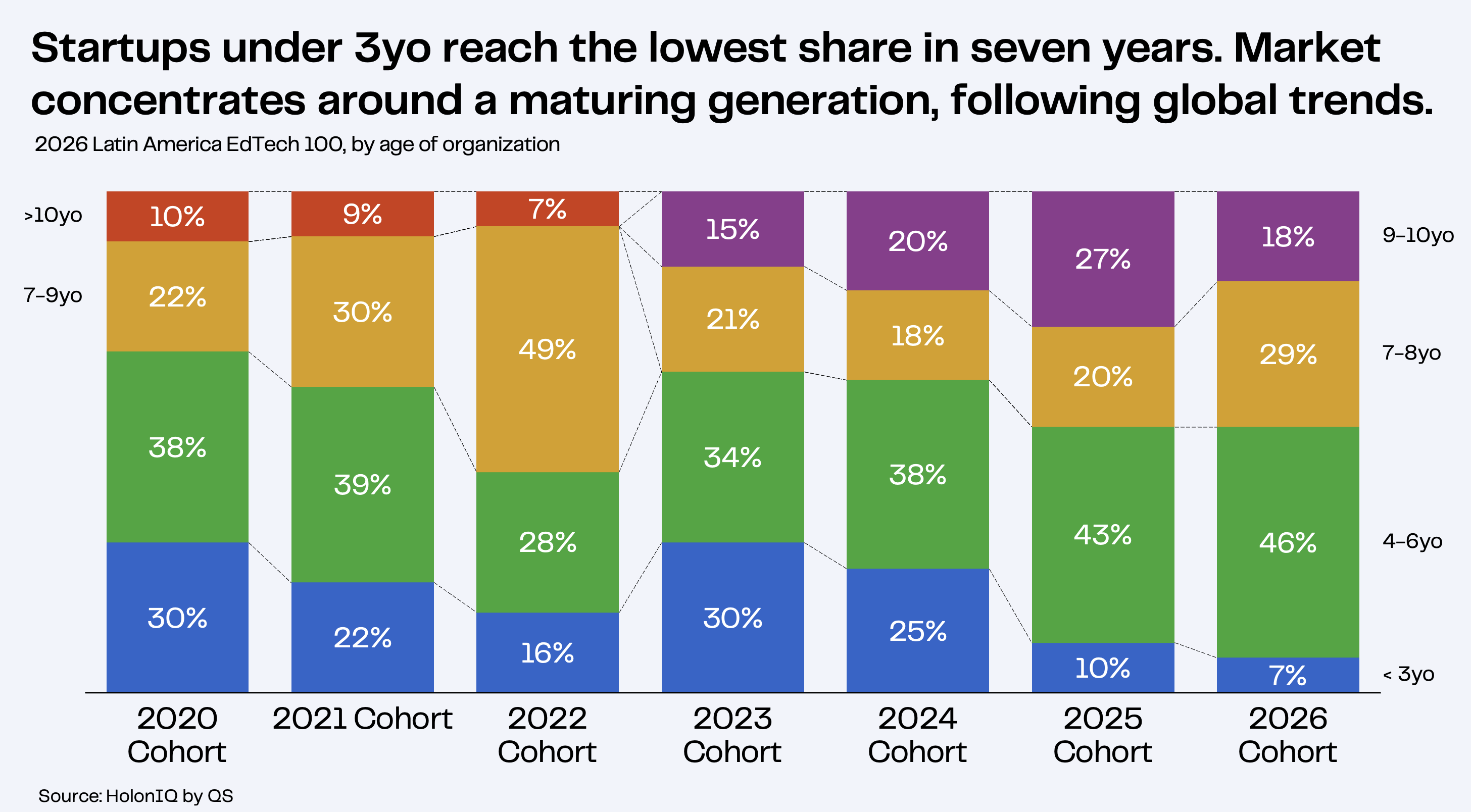
Exhibit 7. 2026 Latin America EdTech 100, by age of organization
A maturing cohort, with the next wave still forming.
4-6 year old companies now occupy close to half the list, and the share of companies under three years old has deeply narrowed since 2020. This is a cohort of operators with real customers and some steady revenue. It also puts a question in front of the region about how the next generation gets built, particularly outside Brazil. Recent entrants show the pipeline is not empty: Uruguay’s Pok raised early funding and an EdTechX award within two years of founding, and Brazil’s Questly and Beconfident both entered on seed capital.
Momentum itself is getting harder to read. Expect demonstrated traction, evidence of outcomes and verified customer growth to carry more weight in the 2027 cohort, and expect the companies that publish their results to benefit from doing so.
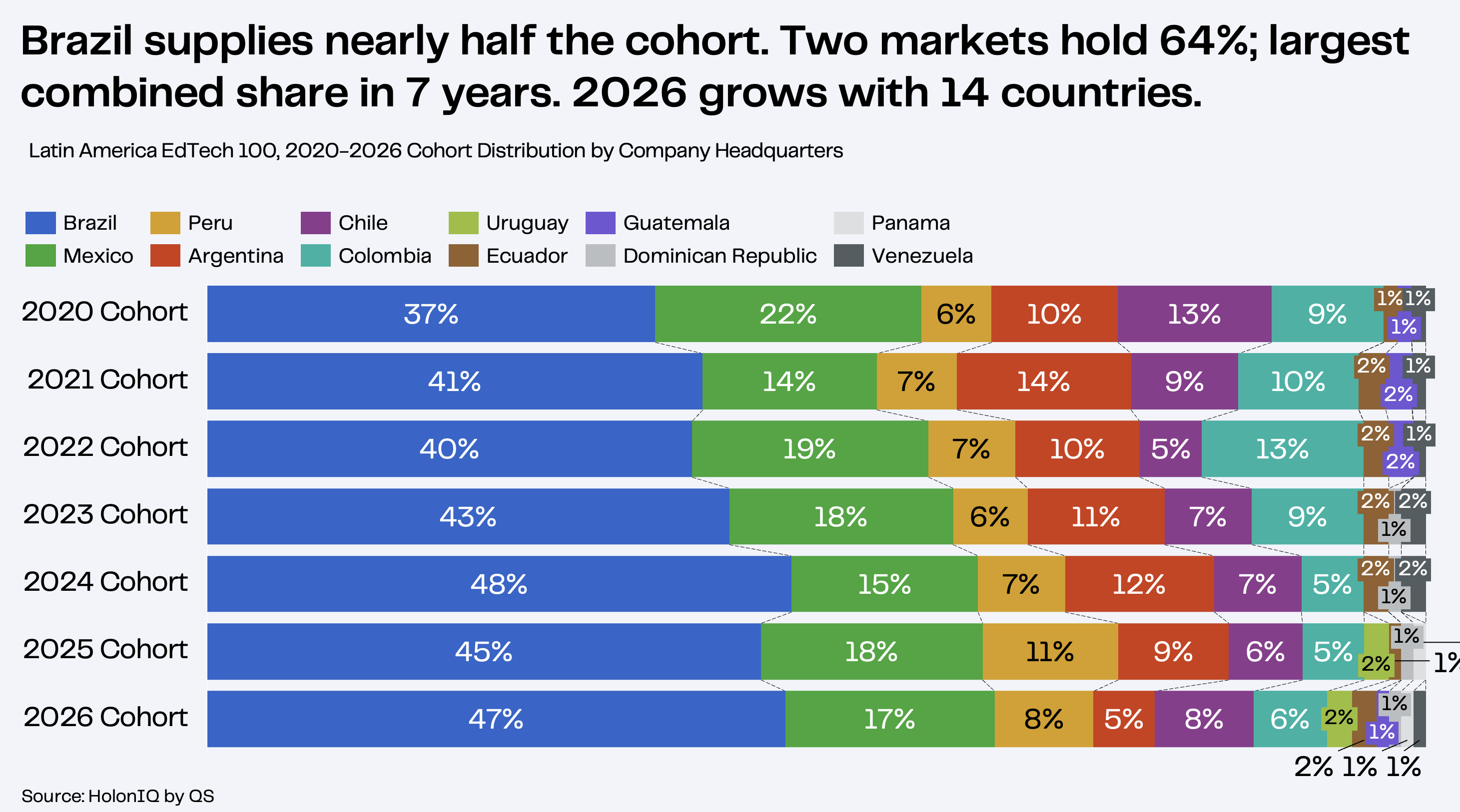
Exhibit 8. Latin America EdTech 100, 2020-2026 Cohort Distribution by Company Headquarters
Brazil anchors the region; Peru is building its own base.
Brazil accounts for nearly half of this year’s cohort and the clear majority of recorded deal and award activity, a position that has widened each year since 2020. Mexico holds 17% retaining strength in post-secondary and in the financing category through companies such as Talisis and Mattilda. Peru has grown its representation and is the only other market on a clear upward path. Ecuador and Uruguay each hold places they did not hold five years ago, so the edges of the map continue to widen its innovation ecosystems.
Track the 2026 Cohort
QS customers can track the data for the region’s leading EdTech startups on the QS Analytics Platform. Look for the 2026 LATAM EdTech 100 list and double click into the data behind the charts. Request a Demo if you are not a customer and would like to learn more.
No items found.
Latest Insights
Global Insights from HolonIQ’s Intelligence Unit. Powered by our Global Impact Intelligence Platform.
We provide you with relevant and up-to-date insights on the global impact economy. Choose out of our newsletters and you will find trending topics in your inbox.





.png)